Your home should tell your story. Whether you’re moving into your first apartment, refreshing a tired room, or completely reimagining your living space, the right decor choices can transform any house into a warm, inviting home that reflects your personality and lifestyle.
Home decor goes far beyond simply filling rooms with furniture. It’s about creating an environment that supports your daily routines, inspires creativity, and provides comfort after long days. The beauty of decorating lies in its accessibility—you don’t need an unlimited budget or professional training to create spaces that feel both stylish and authentically yours.
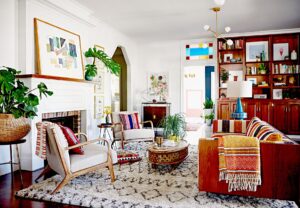
The world of home design offers countless styles, from sleek minimalism to cozy farmhouse charm, vibrant bohemian flair to sophisticated modern elegance. This guide will walk you through practical strategies for discovering your unique style, making smart design decisions, and creating beautiful spaces that enhance your quality of life. You’ll learn how to work with what you have, maximize your budget, and implement changes that deliver maximum impact.
Understanding Your Personal Style
Before purchasing a single throw pillow or paint sample, take time to identify what truly speaks to you. Your personal style emerges from your lifestyle, preferences, and the feelings you want your home to evoke. Some people gravitate toward clean lines and neutral palettes, while others prefer layered textures and bold patterns.
Start by collecting inspiration from multiple sources. Pinterest boards, Instagram accounts, design magazines, and home decor websites offer endless ideas. Save images that catch your eye, then review your collection to identify common themes. Do you consistently choose warm wood tones and natural materials? Are you drawn to statement lighting and geometric shapes? These patterns reveal your authentic preferences.
Consider your daily routines when defining your style. A busy parent might prioritize durable, easy-to-clean surfaces and smart storage solutions, while someone who loves entertaining might focus on creating inviting gathering spaces. Your lifestyle should guide your design choices, ensuring your home works as beautifully as it looks.
Test your style preferences before committing to major purchases. Start with smaller elements like throw pillows, artwork, or decorative accessories. These items allow you to experiment with colors, patterns, and textures without significant financial investment or permanent changes.
Color Psychology and Room Design
Colors profoundly impact our emotions and energy levels. Understanding color psychology helps you create spaces that support your desired mood and activities. Warm colors like reds, oranges, and yellows energize and stimulate conversation, making them excellent choices for dining rooms and social areas. Cool colors such as blues, greens, and purples promote relaxation and focus, perfect for bedrooms and home offices.
Neutral colors provide versatility and longevity. Whites, grays, and beiges create timeless backdrops that allow you to introduce personality through furniture, artwork, and accessories. These shades also make rooms appear larger and brighter, particularly valuable in smaller homes or spaces with limited natural light.
Consider the function of each room when selecting color schemes. Bedrooms benefit from calming blues or soft greens that promote restful sleep. Kitchens work well with energizing yellows or warm whites that make cooking feel inviting. Living rooms can handle bolder choices since they’re social spaces where you want people to feel engaged and comfortable.
The 60-30-10 rule provides a foolproof approach to color distribution. Use your dominant color for 60% of the room (typically walls and large furniture), your secondary color for 30% (upholstery, curtains, or accent walls), and your accent color for 10% (accessories, artwork, or decorative objects). This formula creates visual balance while allowing personality to shine through accent pieces.
Maximizing Space and Optimizing Layout
Smart furniture arrangement can dramatically improve how your rooms feel and function. Start by identifying traffic patterns and ensuring clear pathways throughout your space. Furniture shouldn’t block natural walking routes or create obstacles between frequently used areas.
Scale matters significantly in room design. Large furniture in small rooms creates cramped feelings, while tiny pieces in spacious rooms look lost and insignificant. Measure your rooms and furniture before purchasing to ensure proper proportions. When in doubt, choose fewer, larger pieces rather than many smaller ones, which can make spaces feel cluttered.
Mirrors strategically placed throughout your home create the illusion of additional space and reflect natural light, making rooms feel brighter and larger. Position mirrors across from windows to maximize light reflection, or use them to create focal points in hallways and entryways.
Vertical space often goes underutilized. Install floating shelves, hang artwork higher on walls, and choose tall furniture pieces that draw the eye upward. This technique makes ceilings appear higher and rooms feel more spacious. Storage solutions that extend to the ceiling maximize functionality while maintaining clean lines.
Multi-functional furniture serves double duty in homes where space is limited. Ottoman storage cubes provide seating and hide clutter. Dining tables with built-in drawers store linens and serving pieces. Bed frames with integrated storage eliminate the need for bulky dressers in bedrooms.
Budget-Friendly DIY Decor Projects
Creating beautiful spaces doesn’t require professional services or expensive purchases. DIY projects allow you to customize your decor while staying within budget. Start with simple projects that deliver significant visual impact with minimal time and skill requirements.
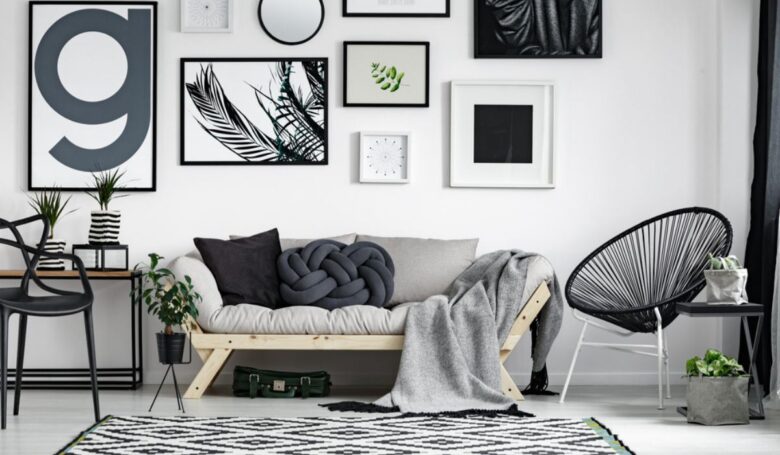
Wall art provides an easy entry point for DIY enthusiasts. Create gallery walls using a mix of family photos, printable art, and personal mementos. Frame fabric samples, pressed flowers, or pages from vintage books for unique artistic displays. Abstract paintings require no artistic training—simply choose colors that complement your room and experiment with different brush techniques or even finger painting for textured effects.
Repurposing existing items saves money while adding character to your spaces. Transform old wooden crates into rustic shelving units. Convert vintage suitcases into coffee table storage. Turn mason jars into stylish vases or storage containers for bathroom essentials. These projects give new life to items that might otherwise be discarded while creating conversation pieces with personal history.
Textile projects offer another approachable DIY category. Sew simple curtain panels from fabric that matches your color scheme. Create custom throw pillow covers using remnants from fabric stores. Weave simple wall hangings using yarn in your favorite colors. These soft furnishings add warmth and personality while requiring only basic sewing skills.
Furniture makeovers can dramatically change your decor without major purchases. Paint dated wood furniture in fresh colors that match your style. Replace hardware on cabinets and dressers for an instant update. Reupholster chair seats with new fabric to tie pieces into your color scheme.
Bringing Nature Indoors with Plants
Plants improve both the aesthetic appeal and air quality of your home. They add natural color, interesting textures, and living energy that artificial decorations cannot replicate. Even homes with limited natural light can accommodate plant life with the right species selection.
Low-maintenance plants work well for beginners or busy homeowners. Snake plants tolerate low light and infrequent watering while providing striking architectural forms. Pothos plants trail beautifully from shelves or hanging baskets and thrive in various lighting conditions. Succulents require minimal care and come in fascinating shapes and colors that complement modern design styles.
Creative plant displays add visual interest beyond basic pots on windowsills. Hanging plants at different heights creates layered greenery that draws the eye throughout the room. Wall-mounted planters save floor space while creating living artwork. Terrariums provide contained gardens that work well on desks, coffee tables, or bathroom counters.
Group plants of different sizes and species together for more impact than single specimens scattered throughout rooms. This clustering mimics natural growing patterns while creating focal points that anchor furniture arrangements. Mix trailing plants with upright varieties and include different leaf shapes and colors for visual variety.
Consider the practical benefits plants provide beyond decoration. Many species naturally filter common indoor air pollutants. Plants in bedrooms can improve sleep quality by producing oxygen during the day. Kitchen herbs provide fresh ingredients while adding fragrance and greenery to cooking spaces.
Mastering Lighting Design
Lighting dramatically affects how spaces look and feel throughout the day. Layered lighting combines different types to create flexible environments that adapt to various activities and moods. This approach moves beyond single overhead fixtures to create more sophisticated and functional illumination.
Ambient lighting provides overall room illumination. This might include ceiling fixtures, recessed lights, or floor lamps that bounce light off ceilings and walls. Choose warm-toned bulbs for living areas to create cozy atmospheres, and cooler tones for task-oriented spaces like home offices or kitchens.
Task lighting focuses on specific activities such as reading, cooking, or working. Desk lamps, under-cabinet kitchen lights, and bedside reading lights fall into this category. Position task lighting to minimize shadows and reduce eye strain during detailed work.
Accent lighting highlights specific features like artwork, architectural details, or decorative objects. Picture lights, track lighting, and strategically placed table lamps create visual interest and depth. This type of lighting adds drama and sophistication to rooms while drawing attention to your favorite decorative elements.
Energy-efficient LED bulbs have revolutionized home lighting options. They consume less electricity, generate less heat, and last significantly longer than traditional incandescent bulbs. Many LED options now include dimming capabilities and color temperature adjustment, allowing you to customize lighting throughout the day.
Natural light remains the most flattering and energy-efficient option. Maximize daylight by keeping windows unobstructed and using light-colored window treatments that can be fully opened. Skylights, solar tubes, or additional windows may be worthwhile investments in rooms that feel consistently dark.
Accessorizing with Purpose and Style
Accessories transform houses into homes by adding personality, color, and visual interest. However, successful accessorizing requires restraint and intentional choices rather than filling every available surface with decorative objects.
Rugs define spaces and add warmth, color, and texture to rooms. Choose sizes that properly anchor your furniture arrangements—in living rooms, all major seating should have front legs on the rug, or the entire furniture grouping should sit completely on or off the rug. Smaller accent rugs can define specific areas like reading nooks or entryways.
Window treatments serve both functional and decorative purposes. They provide privacy, light control, and insulation while adding softness and color to rooms. Hang curtain rods closer to the ceiling and extend them beyond window frames to make windows appear larger and allow maximum light when panels are open.
Artwork creates focal points and expresses your personality. Mix different sizes, mediums, and frame styles for interesting gallery walls. Don’t limit artwork to traditional paintings—consider photography, textile art, sculptures, or even attractive mirrors as art pieces. Group pieces in odd numbers and vary heights for dynamic arrangements.
Throw pillows and blankets provide easy ways to update rooms seasonally or when you crave change. Choose colors and patterns that complement your existing palette while adding visual interest. Mix different textures like velvet, linen, and faux fur for depth, and vary pillow sizes for professional-looking arrangements.
Sustainable and Eco-Friendly Decorating
Environmental consciousness has become increasingly important in home design choices. Sustainable decorating practices benefit both the planet and your personal health while often saving money through creative reuse and mindful purchasing.
Choose furniture made from sustainably harvested materials or reclaimed wood. These pieces often feature unique character and superior craftsmanship compared to mass-produced alternatives. Vintage and antique furniture provides distinctive style while preventing usable items from entering landfills.
Upcycling transforms discarded items into functional decor pieces. Old ladders become unique shelving units. Wine bottles transform into vases or light fixtures. Fabric scraps become patchwork pillows or quilted wall art. These projects reduce waste while creating one-of-a-kind pieces that reflect your creativity.
Low-VOC paints and finishes improve indoor air quality by reducing harmful chemical emissions. Many manufacturers now offer extensive color selections in eco-friendly formulations that perform as well as traditional options. Natural materials like bamboo, cork, and reclaimed wood provide sustainable alternatives for flooring and furniture.
Support ethical manufacturers who prioritize fair labor practices and environmental responsibility. Research company practices before making major purchases, and consider the lifecycle impact of products from production through disposal. Quality pieces that last decades provide better environmental value than inexpensive items requiring frequent replacement.
Creating Beautiful Spaces on Any Budget
Effective decorating isn’t about spending large amounts of money—it’s about making smart choices that maximize impact. Strategic planning and creative approaches can achieve stunning results regardless of your financial limitations.
Prioritize investments in items you’ll use daily and that affect multiple aspects of your comfort. A quality mattress improves sleep quality and overall well-being. A comfortable sofa supports daily relaxation and entertaining. Good lighting affects how your entire home looks and functions. Focus your budget on these foundational elements before adding decorative accessories.
Thrift stores, consignment shops, and estate sales offer unique pieces at fraction of retail costs. Look beyond current finishes to see potential in solid wood furniture that can be painted or refinished. Designer items often appear in secondhand stores at significant discounts. Develop relationships with shop owners who can alert you when specific types of items arrive.
Time purchases strategically to take advantage of sales cycles. Many retailers offer significant discounts during post-holiday clearances, end-of-season sales, and back-to-school periods. Sign up for newsletters from your favorite stores to receive advance notice of sales and exclusive coupon codes.
Room makeovers don’t require replacing everything at once. Focus on one room at a time, completing it before moving to the next space. This approach allows you to save for quality pieces while immediately enjoying completed areas. It also prevents the overwhelming feeling that can come from attempting to redecorate an entire home simultaneously.
Seasonal Decorating and Adaptation
Adapting your decor to reflect changing seasons keeps your home feeling fresh and current without requiring major overhauls. Seasonal decorating can be as simple as switching textiles or as elaborate as completely transforming color schemes.
Spring decorating focuses on renewal and fresh energy. Introduce bright colors through flowers, artwork, or accent pieces. Switch heavy winter textiles for lighter fabrics in cotton or linen. Add plants and fresh flowers to bring natural beauty indoors. Clean and organize spaces to create the fresh start feeling associated with spring cleaning.
Summer decorating emphasizes light, airy feelings and outdoor connections. Use white or light-colored textiles that feel cool and fresh. Incorporate natural materials like wicker, rattan, or bamboo. Display seashells, coral, or other beach-inspired elements if they match your style. Remove heavy rugs and dark accessories that might make rooms feel warm and stuffy.
Fall decorating celebrates warmth and coziness as outdoor temperatures drop. Introduce rich colors like deep oranges, burgundies, or golden yellows. Add textured throws and pillows in velvet or wool. Display seasonal elements like pumpkins, gourds, or autumn leaves. Layer rugs and add candles to create intimate, welcoming environments.
Winter decorating focuses on comfort and light during darker months. Use metallic accents that reflect available light and create sparkle. Add extra lighting through string lights, candles, or additional lamps. Incorporate cozy textiles like faux fur throws or flannel sheets. Display evergreen branches or winter flowers to maintain natural elements when outdoor gardens are dormant.
Frequently Asked Questions
How do I start decorating when everything feels overwhelming?
Begin with one room and focus on its function first. Identify what activities happen in that space, then choose furniture and decor that supports those activities. Start with larger pieces like seating or storage, then add accessories gradually. Don’t try to complete everything at once—decorating is an ongoing process that evolves with your needs and preferences.
Can I mix different decorating styles in one home?
Absolutely! Mixing styles creates more interesting and personal spaces than strictly following one design aesthetic. The key is finding common elements that tie different styles together, such as a consistent color palette, similar wood tones, or repeated materials. Start with a dominant style as your foundation, then incorporate elements from other styles as accents.
How do I choose the right size rug for my room?
For living rooms, your rug should be large enough for all furniture legs to sit on it, or at least the front legs of major seating pieces. In dining rooms, ensure the rug extends at least 24 inches beyond the table on all sides so chairs remain on the rug when pulled out. For bedrooms, place rugs so they extend at least 18 inches beyond the bed on the sides and foot.
What’s the biggest mistake people make when decorating?
The most common mistake is purchasing everything at once rather than living with the space first. This often results in rooms that look like catalog displays rather than personal homes. Take time to understand how you actually use each space, then make deliberate choices that support your lifestyle while reflecting your personality.
How can I make my small space look larger?
Use light colors on walls and large furniture pieces to create an airy feeling. Maximize natural light by keeping windows unobstructed and using mirrors strategically to reflect light throughout the room. Choose furniture with visible legs to create sight lines under pieces. Avoid cluttering surfaces and instead focus on a few impactful decorative elements.
Your Home, Your Story
Creating a beautiful home happens through thoughtful choices rather than expensive purchases or professional design services. The most successful spaces reflect the personalities and lifestyles of the people who live in them, incorporating both functional elements and personal touches that make everyday life more enjoyable.
Start implementing these ideas gradually, focusing on changes that will have the most impact on your daily experience. Whether you begin with a simple plant addition, a DIY artwork project, or a complete room color refresh, each positive change builds momentum for additional improvements.
Remember that decorating is an ongoing journey rather than a destination. Your needs, preferences, and circumstances will change over time, and your home should evolve accordingly. The strategies and principles outlined here provide a foundation for making confident decisions that create spaces you’ll love coming home to, regardless of your budget or experience level.
Your home is waiting to tell your unique story—start writing that story today through the choices you make, the colors you choose, and the personal touches you add to create spaces that truly feel like home.