An organized kitchen can serve as the nerve center of your household. Begin by decluttering all surfaces and clearing away anything that doesn’t belong (cookbooks, paper piles, or to-go containers). This will create an organized workspace for you. Next, follow these tips to maintain your sleek cooking zone:.
1. Take Stock
An uncluttered kitchen is safer, and decluttering can reduce the risks of accidental spills or knocking over hot pans while making multitasking and meal preparation simpler. Professional organizer Jamie Horderly suggests beginning by emptying all cabinets, shelves, and drawers completely to give yourself a fresh slate, then thoroughly cleaning each space (dusting shelves, wiping up spills/crumbs from floors/drawers as necessary, and replacing shelf/drawer liners as necessary) before sorting items into piles for “Keep,” “Donate,” and “Return to Proper Spot/Toss.” Once this step has been accomplished, restock your kitchen with durable/attractive solutions like baskets/bins to complete this task!
Martha keeps everyday kitchen tools such as can openers and offset spatulas in one drawer and uses wire baskets as separators to organize them.
2. Clean as You Go
An unorganized kitchen makes cooking more stressful, making it easy to lose track of ingredients or forget steps in a recipe. By taking time during each cooking session to clear away debris as you go along, you can avoid leaving an immense mess behind at the end of the session and focus on creating delicious food instead of cleaning up after yourself afterwards. In addition, this habit will help build better organizational practices in your own kitchen overall.
While cleaning, take this opportunity to rid yourself of items no longer useful or necessary. For instance, if you no longer need your bread maker or ice cream churn, consider donating them to a food bank; that will free up valuable storage space for items you actually use. To begin this process, move your trash can close by and gather containers like laundry baskets to sort through each category: Keep, Toss, Donate, or Return Back into its Proper Spot.
3. Set Up Stations
Streamlining prep work is integral to kitchen efficiency, safety, and food quality. Good line cooks create “stations” tailored specifically to the menu and volume for specific tasks within their stations—grouping together tools used for similar tasks into one drawer while keeping chopping boards, knives, and peelers close at hand in another.
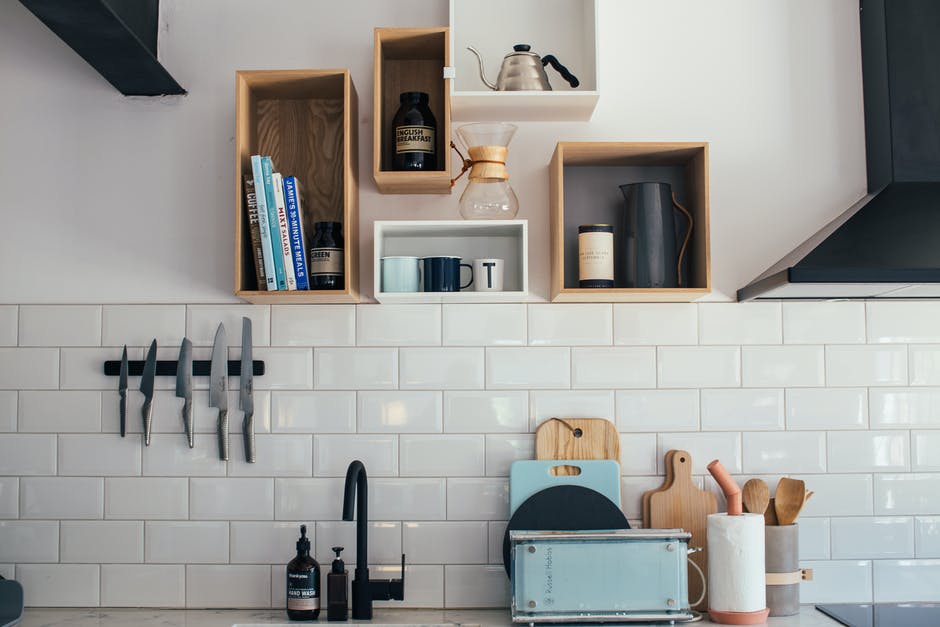
At home, this technique can help streamline kitchen workflows and reduce countertop clutter. Moynihan recommends corralling reusable bags and wraps by placing them all together in your pantry; divided organizers provide storage containers. She also suggests mounting thin shelves—in this instance antique milk glass brackets—to the wall to store items frequently used, such as coffee filters or teaspoons.
Restaurants seeking to establish an organized prep station setup should consider using checklists as part of their setup plan. Digital platforms like Manifestly Checklists provide an effective system for consistent and efficient operations as well as monitoring food quality—something particularly valuable when making changes such as adding new menu items or seasonal variations to their kitchen operations.
4. Organize Storage
Professional organizers recommend emptying everything out of cabinets, shelves, and drawers in order to inspect everything inside and thoroughly clean out their space. This offers a perfect opportunity for getting rid of items that are broken, no longer functional, or simply no longer needed—saving valuable storage space for items you really do use and don’t waste!
Make tough choices about what should remain and where everything should go, using containers (like plastic tubs and laundry baskets) to sort items by groups—kitchen cleaning supplies, pantry items, meal prep or cooking tools, and serving pieces—for instance. Grouping similar things together reduces clutter while eliminating back-and-forth searching for your preferred spatula or cookie sheet; adding labels to shelves or drawers will allow both yourself and others to quickly return things back where they belong without things getting misplaced in a cupboard or shelf.
An organized kitchen not only makes your house look better, but it can save both time and stress in your everyday routine. A clutter-free countertop reduces the risk of accidents; regular cleanup of spills prevents accidents like slipping on wet surfaces or knocking over hot pots; it may also improve your mood by decreasing feelings of anxiety associated with being in an overcrowded room.