Plants inside give any room life, beauty, and a clean feeling. They clean the air, lower stress, and make the space feel calm. But a lot of people don’t bring plants inside because they think it’s too hard or they don’t have a “green thumb.” In reality, if you know what to do, you can grow home plants that do well without having to spend hours taking care of them. This book will teach you easy, effective methods to keep your flowers healthy with little work on your part.
Pick indoor plants that don’t need much care
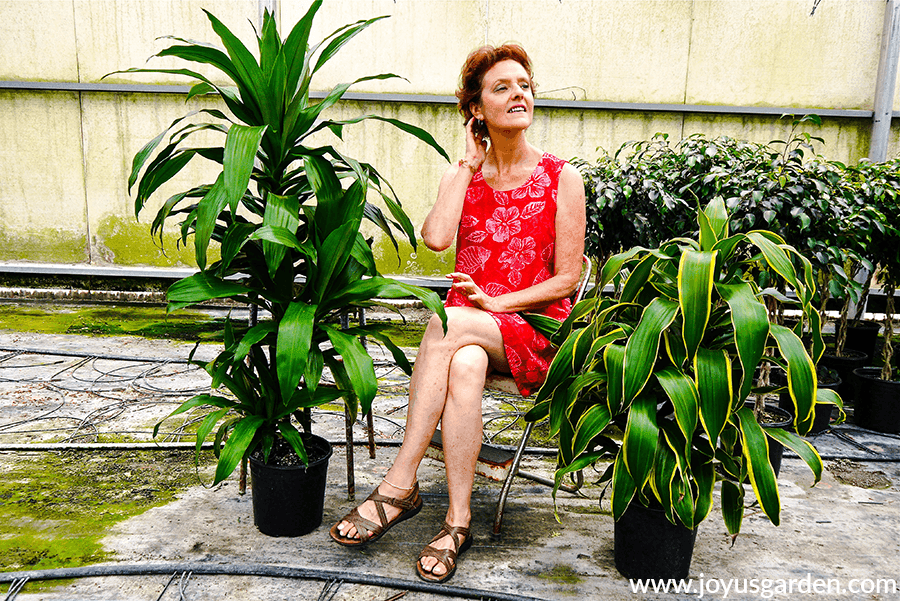
Picking the right kinds of plants is the first thing that needs to be done to easily grow healthy plants indoors. You need to care for some plants every day, while others do fine when you don’t. If you have never done indoor gardening before, it is best to start with plants that don’t need much care. Snake plants, ZZ plants, pothos, peace lilies, and spider plants are all great choices because they don’t need to be watered often and can grow in a range of light conditions. Setting yourself up for success from the start is easy if you choose the right type of plant.
Give them just the right amount of light
One of the most important things for plant health is light. Luckily, many home plants can do well in a variety of settings. Some plants do best in bright, indirect sunlight, while others do better in dark areas of the room. You can put your plants closer to windows or think about using LED grow lights if your home doesn’t get a lot of natural light. If you put your plants in the right spot, they will do well without needing any difficult changes.
Don’t water too much; less is more
The biggest mistake plant owners make is giving their plants too much water. Most houseplants don’t need to be watered every day, and giving them too much water can kill the roots. Allow the top layer of earth to dry out before you water again. This will help you avoid this issue. Before you add water, you should always feel the ground with your finger. Plants usually need even less water in the winter because they aren’t growing as much. You can keep your plants healthy with less work if you only give them what they need.
Pick the Right Pots and Soil
Getting the right dirt and pots is important for keeping house plants healthy. Garden dirt is too heavy for houseplants, so you should use potting mix made for indoor use instead. These mixes let water drain well while still keeping enough to keep the plant happy. It’s also important to pick the right pot. Plastic pots keep more water in, while terracotta pots dry out faster and keep plants from getting too much water. It’s much easier to take care of plants when the dirt and pot are the right ones for them.
Feed them every so often
Indoor plants don’t need to be fed all the time, but they do need a little extra help when they’re growing. In the spring and summer, fertilizing them once a month is usually enough to give them the nutrients they need. Plants typically slow down in the fall and winter, so they don’t need fertilizer. It is easy to use liquid fertilizers, but you can also choose slow-release fertilizers that work for months, so you don’t have to remember to feed your plants as often.
Pay attention to the humidity
A lot of well-known houseplants come from warm areas where the air is usually damp. Plants may have trouble when growing inside, especially in the winter when lights dry out the air. Putting a bowl of water next to your plants or putting several plants together will help them make their own environment. These small changes can help your plants get the extra water they need to stay healthy.
When you need to, prune and clean
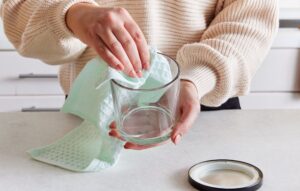
To look their best, indoor plants need a little care every once in a while, but it doesn’t take long. It helps the plant grow new leaves when you remove the old, yellow ones. Wiping the leaves down with a wet cloth also helps them breathe better by getting rid of dust. Your plants should be fine as long as you check on them once a week. Just cutting and cleaning them for a few minutes can make a big difference in how they look and how healthy they are.
Keep an eye out for bugs early
Pests like mealybugs and spider mites can sometimes get into indoor plants too. Seeing the problem early is the best way to keep it from getting worse. When you water your plants, take a moment to look under the leaves and along the roots. To get rid of pests, all you have to do is wash the leaves with water and light soap or use natural oils. Taking care of the problem quickly stops it from growing and keeps your plants healthy and stress-free.
Plants should be rotated to get even growth
Most plants grow toward the light, which can make them lean or grow widely. Every couple of weeks, switch them around to keep them equal. This lets light reach all sides and encourages even growth. It’s a simple habit that makes your plants look bigger and healthy with almost no work on your part.
Set up a routine
It’s easy and takes the least amount of work to keep your plants healthy if you care for them every day. You can set aside one day a week to brush the plants and check the dirt. If it needs it, water. You can connect feeding your plants once a month to something you already do, like paying your bills or cleaning the house. It won’t feel like extra work when taking care of plants is just a normal part of your day.
FAQs About Growing Plants Inside
What is the easiest plant to take care of inside?
Some of the easiest plants to grow are snake plants and ZZ plants, which can handle low light and don’t need much water.
How often should I water the plants inside?
Check the dirt and water most apartment plants once a week. It’s time to water if the top layer is dry.
Is it okay to keep plants in a room without any windows?
Of course, but you’ll need artificial light like LED grow lights because plants can’t live without it.
Do plants really clean the air inside?
Peace flowers and spider plants are two examples of plants that can help clean the air by drawing out toxins. This effect is stronger when there are more than one plant in the same area.
What should I do if my plant seems sick?
Light, water, and dirt are the first things you should check. Usually, it’s because of too much or too little of one of these things. Making changes to them often helps the plant get better.
In conclusion
It’s not hard to grow healthy plants indoors, and you don’t need to know a lot about it. Anyone can enjoy the beauty and health benefits of flowers as long as they choose easy-to-care-for types, give them the right amount of light, water them wisely, and stick to a simple routine. These easy steps will not only help your plants grow, but they will also make your home smell better and look better. With a little care, you can have an indoor garden all year that brings life and happiness into your house.