
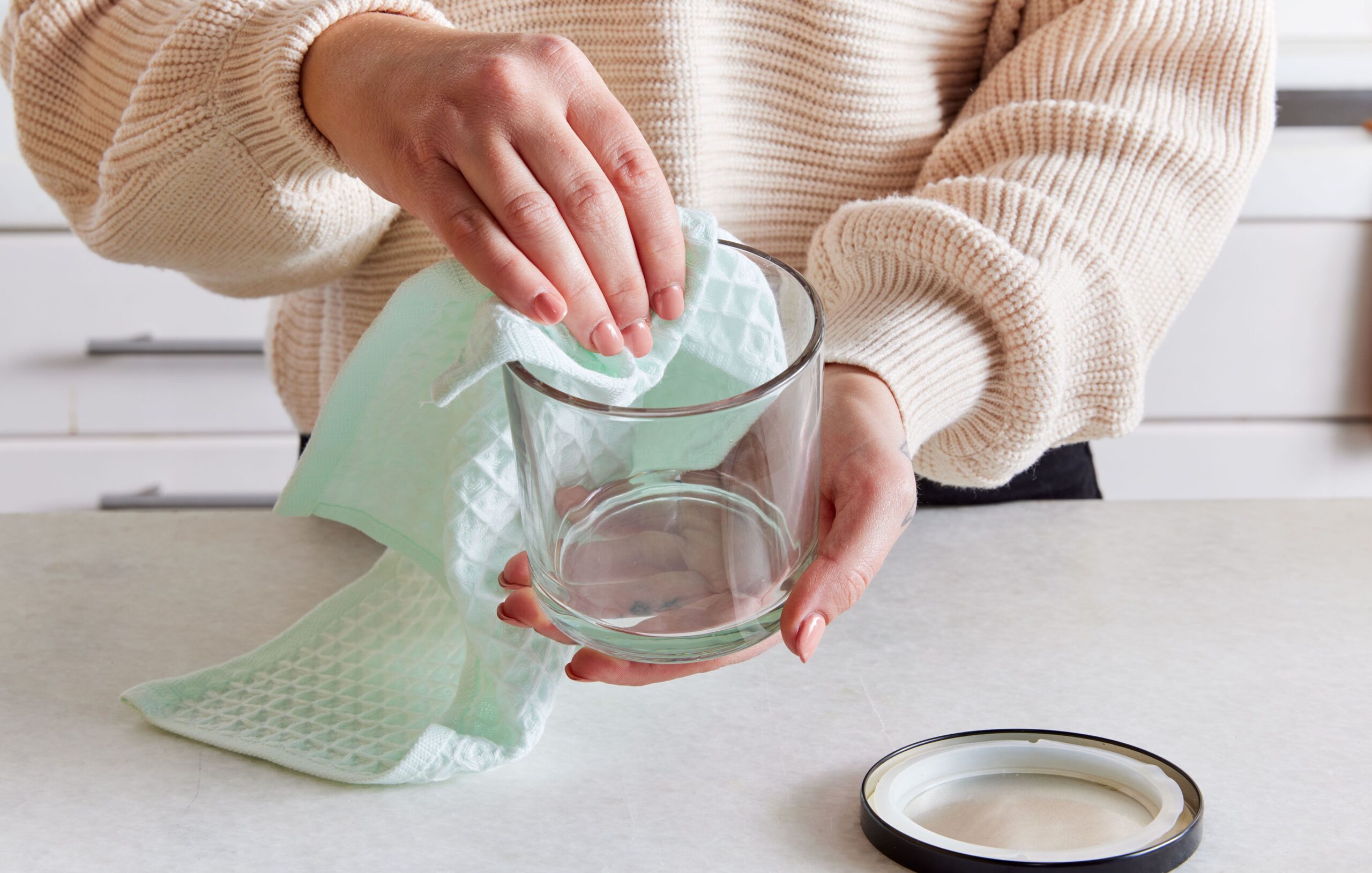
Candle making is one of the most popular DIY projects for artists and home decorators. They not only add warmth and coziness to your home but also make unique gifts for friends and family. While the idea of making your own candles may seem intimidating at first, once you master the basics, it becomes a fun and relaxing hobby. Another advantage of candle making is that you can create your own unique style by choosing from different colors, scents, and containers. In this step-by-step guide, we’ll show you everything you need to know to make your own candles.
How to Choose the Right Wax
The first step in candle making is choosing the right wax. There are many different types of wax, each with its own advantages. Paraffin wax is one of the most popular because it’s inexpensive and offers a long-lasting scent. Soy wax is a natural wax that burns more smoothly and breaks down naturally, making it an environmentally friendly option. Beeswax is another good option. It burns longer and has a sweet, honey-like scent. The choice of wax depends on price, burn time, and environmental friendliness. You can buy wax in sheets or blocks, which makes it easier to melt.
Preparing the Candle Wick
A candle burns evenly thanks to its wick, an essential part of candlemaking. Candle wicks are made of different materials and come in different sizes. The right wick for your jar and wax depends on these factors. Some types of wax, such as soy wax, work best with thicker cotton wicks, while paraffin wax may work better with thinner wicks. Before pouring the wax into the jar, place a wick sticker or a small drop of melted wax on the bottom of the jar. You can use a wick clip or tie the wick to a pencil placed horizontally across the top of the jar to hold it in place while pouring the wax.
Melting the Wax
The next step is to melt the wax once the wick is in place. The double boiler method is the best way to ensure the wax melts evenly and doesn’t overheat. Place a heatproof jar filled with wax in a larger pot of barely simmering water. Monitor the temperature and stir the wax slowly as it melts. Different types of wax have different melting points, so a thermometer is helpful. Paraffin wax, for example, has a slightly lower melting point than soy wax, which typically melts between 120 and 180 degrees Fahrenheit (49 and 82 degrees Celsius). Avoid overheating your candle, as this can damage it and reduce the fragrance.
Adding Color and Fragrance
One of the advantages of handmade candles is adding your own fragrance and color. After the wax has completely melted, allow it to cool briefly before adding your essential oils or fragrance oils. The scent will mix in perfectly with the wax if the temperature is right. Stir thoroughly to distribute the fragrance evenly. If you want to give your candle different colors, you can also add food coloring chips or liquid candle dye now. Stir the dye thoroughly until the melted wax is smooth. Keep in mind that the color may appear darker in its liquid state, but will generally lighten as the candle dries.
Pour the Wax
After adding the food coloring and fragrance, carefully pour the melted wax into the prepared container. To avoid bubbles, pour slowly and evenly. Leave about 1/2 inch (1.5 cm) of space at the top of the container to prevent spills. Make sure the wick stays centered while the wax cools and dries. If necessary, you can adjust the wick or tighten the wick holder before the wax hardens. Depending on the type of wax and the size of the candle, it may take several hours for the wax to fully harden.
Trimming and Finishing
After the candle has completely cooled, you may notice that the top isn’t completely smooth. This happens frequently. To remedy this, heat a small amount of wax and pour a thin layer over it, spreading it evenly. Once the candle has hardened, trim the wick to about 0.5 cm. A well-trimmed wick ensures a clean, even burn with less smoke. You can also add tags, bows, or caps to the candles at this point to complete the look, especially if you’re giving them as gifts.
Candle Making Safely
Candlemaking can be a creative and fun project, but safety should always be your top priority. Work in a well-ventilated area and never leave wax melting unattended on the stove. To avoid mistakes, keep children and pets away from your work area. For your safety, make sure the materials you use are resistant to high temperatures. For a faster and more efficient candle, use
Besides the aesthetic aspect, you can also fill your clear gel wax with dried flowers, herbs, or small ornaments. Another idea is to use an old teacup, jar, or tin as a holder. This gives your creation a vintage look. You can make any type of candle, and the more you practice, the more creative you’ll become.
Frequently Asked Questions
Which wax is best for someone new to candlemaking?
Beginners often say soy wax is the best choice because it’s safe to use, burns cleanly, and is easy to work with.
How much fragrance oil should I add to my candle?
A sensible rule of thumb is to use 30 ml of fragrance oil per 100 grams of wax. But the wax type and desired scent strength can change this.
Can I use regular food coloring to make candles?
Absolutely not. Food coloring is made from water, and wax and water don’t mix well. It’s best to use candle dye tablets or liquid candle dye specifically formulated for candles.
How long should I wait before using my candle?
Warm candles last at least 24 to 48 hours before lighting. Some waxes, such as soy wax, work best for up to a week after curing.
Is it cheaper to make your own candles?
Yes, making your own candles can save you money, especially if you make them in bulk. You also get to choose the materials, scent, and design.
In short
Handmade candles are a fun and satisfying DIY project that combines imagination, relaxation, and practicality. By choosing the right wax, preparing the wick, heating it, adding color and scent, and carefully pouring the candles, you can create a beautiful candle exactly the way you want it. Candles are more than decor; they can also provide warmth, ambiance, and healing scents. Candle making is fun and offers a wide range of possibilities, whether you’re making them for yourself, giving them as gifts, or starting a small business. Once you try it, candle making might just become your new passion.