A flower yard is peaceful and beautiful. Any room can become a peaceful escape with the bright colors, sweet smells, and relaxing beauty of flowers in bloom. There are a lot of people who want to have their own flower yard but are scared to start one from scratch. Making a garden doesn’t have to be hard, that’s the truth. Even people who have never gardened before can have a beautiful flower garden if they follow a few easy steps. In case you’ve been thinking how to begin, this guide will show you the steps one by one, making it simple and fun.
Step 1. Pick the Right Place
Picking the right spot is the first step to making a beautiful flower garden. Flower buds need just the right amount of light to grow. Most blooming plants do best in places that get at least six hours of bright sunshine every day. Don’t worry if your yard is in the shade, though. There are many flowers that do well in that kind of light, like begonias and impatiens. Think about usability as well. Pick a spot where you can water, pull weeds, and take care of your plants without much trouble.
Step 2. Plan how your garden will be set up
Plan out how your garden will look before you start planting. Think about how big the space is and what you want it to look like when the flowers are blooming. Sunflowers, hollyhocks, and other tall flowers should go in the back. Marigolds and daisies, on the other hand, should go in the front. Putting plants together that need the same amount of water and light makes care easier and helps them grow well. A well-thought-out plan will save you time and keep your garden from looking crowded.
Step 3: Get the ground ready
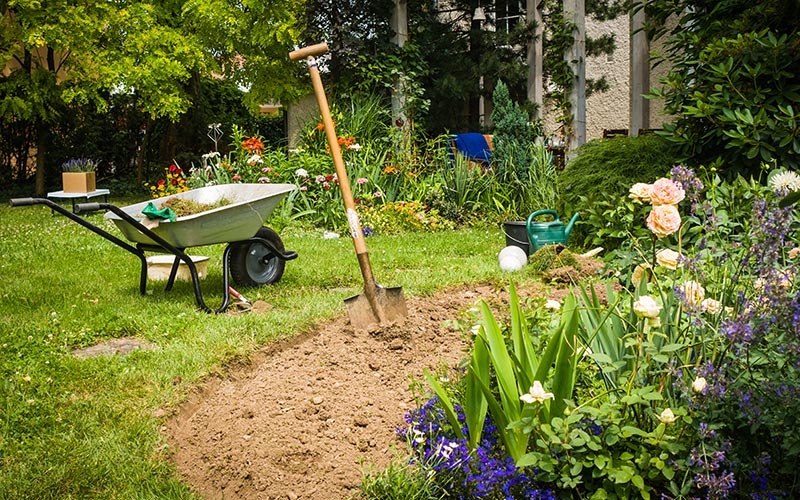
The soil in your yard is very important. Flowers need healthy dirt that is full of nutrients to grow well. First, clear the planting area of weeds, rocks, and other trash. Use a shovel or yard fork to break up the dirt so the roots can grow easily. Adding compost or other organic matter to soil makes it stronger, gives it more nutrients, and helps it hold on to water better. Adding waste to your soil will make it lighter if it is too clay-like. Organic stuff will help keep the water in if it’s dry. If you prepare the dirt well at the beginning, your flower garden will do well.
Step 4: Pick out the flower
One of the most fun parts is picking out the flowers for your yard. When making your choice, think about the weather and time of year where you live. Marigolds, petunias, and zinnias are examples of annuals that bloom quickly and give you bright color for one growing season. Plants that come back every year, like roses, lilies, and flowers, are great investments for the long run. You can also mix annuals and perennials to make things more interesting. Start with flowers that are easy to grow, like daisies, sunflowers, and pansies.
Step 5: Take Care of Your Plant
It’s time to plant once the dirt is ready and the flowers have been picked. Carefully follow the directions on seed packs or plant tags, especially when it comes to how far apart to plant things and how deep to dig them. When you plant things too close to each other, they can get crowded, which slows growth and raises the risk of getting diseases. Water the dirt slowly after putting to help the roots take hold. Always keep in mind that seeds and young plants need steady watering until they are well established.
Step 6: Smart Use of Water
One of the most important parts of gardening is watering, but a lot of new gardeners get it wrong. Plants can become weak if they don’t get enough water or if they get too much water. For best results, water deeply but less often. This will help the roots grow deeper into the dirt. Watering plants early in the morning is best because it keeps water from evaporating and gives plants time to soak it up before it gets too hot. Putting mulch around plants helps keep the soil wet, so you don’t have to water them as often.
Step 7: If you need to, add fertilizer
Flower sometimes need extra help, even if they have good soil. Fertilizers give plants the nutrients they need to grow well and produce more flowers. For natural ways to feed your plant, compost tea, fish emulsion, or bone meal are all great options. But don’t fertilize too much; it will hurt the plants and make them grow less. Most flower fields only need to be fed once a month while they are growing.
Step 8: Keep pulling weeds and adding mulch
It is very important to keep weeds under control because they are competing with your flowers for food, water, and sunshine. Weeds can’t take over your yard if you pull them regularly. Putting dirt around your flowers not only helps them stay moist, but it also stops weeds from growing. The mulch makes your yard look nice and finished, and it keeps the dirt from washing away.
Step 9: Cut back and remove dead flowers to get more blooms
It’s important for blooming plants as well as shrubs and trees to be pruned. Taking off old or dead flowers on a regular basis, which is called “deadheading,” makes the plant create more flowers. Pruning also makes the air flow better, keeps your garden looking neat, and stops diseases from spreading. If you pay some attention to your flowers, they will bloom more brightly all season.
Step 10: Wait your turn and enjoy the process
You don’t have to race when you garden. Plants need time to grow, and some might not bloom right away. It’s important to be patient and consistent. With time, you’ll figure out what grows best in your yard and where you live. Seeing your first blooms will make all your hard work worth it. Enjoy the beauty, scent, and peace that your flower garden brings into your home.
FAQs About How to Plant a Flower Garden
How much sun do most flowers need?
Flowering plants need about six hours of sunshine every day, but flowers that like to be in the shade, like impatiens and begonias, can grow with less.
If I don’t have a yard, can I grow a flower garden in pots?
Yes, growing in pots is a great way to use up room. Petunias, geraniums, and pansies are just a few of the beautiful flowers that look great in pots.
For first-timers, what is the easiest flower to grow?
Some of the easiest flowers to grow are pansies, sunflowers, and marigolds. They don’t need much care and bloom quickly.
Should I use a certain kind of dirt for my flower garden?
Not all the time. Most flowers do best in dirt that drains well and has compost or other organic matter added to it. Usually, it’s enough to just make the earth better.
When is the best time to grow flowers?
Most flowers do best when put in the spring, but some, like pansies and chrysanthemums, can be placed in the fall.
In conclusion
It’s easier than you think to start a flower garden one step at a time. You can make a garden that is beautiful and brings you joy all year long by picking the right spot, making sure the dirt is healthy, picking the right flowers, and following some easy care steps. If you keep at it, your garden will grow into a beautiful haven that makes your home look better and makes you feel better. It’s not just about the end result when you garden; you can also enjoy taking care of plants and seeing them grow.