
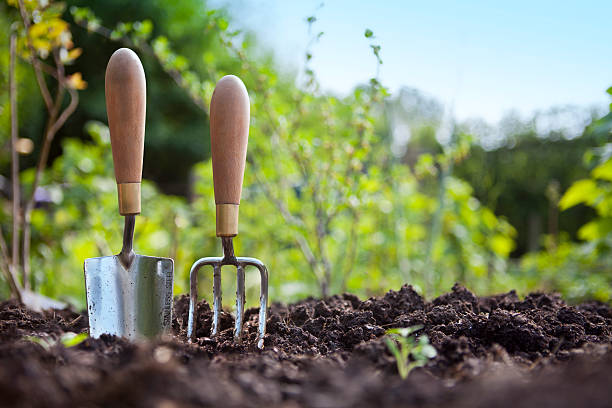
A good garden starts with healthy soil. Whether you’re growing flowers, vegetables, or herbs, the success of your plants depends on the condition of the soil. Many beginning farmers focus solely on watering and sunlight, overlooking the equally important importance of healthy soil. While healthy soil is important, plants need it to absorb nutrients, develop root systems, and resist diseases. The goal of organic farming is to improve soil without using toxins. This creates a suitable environment for plants to thrive and grow healthily. This article introduces some simple organic gardening tips you can use at home to keep your soil rich in nutrients.
Understanding the Importance of Healthy Soil
Soil is more than just soil. The earthworms, fungi, and bacteria that live in it all benefit plants and work together to provide them with nutrients. Healthy soil has good structure, retains sufficient water, allows air to reach plant roots, and is rich in organic matter. When you improve your soil naturally, you not only help existing plants but also create a favorable environment for future plants. A well-maintained garden reduces the need for fertilizers and herbicides and produces more nutrients.
Start making compost
One of the best and easiest organic ways to improve soil health is composting. You can make compost from kitchen scraps like fruit and vegetable peels, coffee grounds, and eggshells. By adding compost to the soil, you enrich it, change its texture, and encourage bacterial growth. The advantage of composting is that it reduces waste and provides free, natural fertilizer for your garden. If you don’t have much space, you can use a small trash can or even a simple bucket system on your porch. In the long run, your plants will thank you for the extra nutrients.
Use mulch to replenish moisture and nutrients
Adding mulch to the soil is another simple way to keep it healthy and productive. Adding organic fertilizers like straw, grass clippings, dried leaves, or wood chips to the soil helps maintain a comfortable temperature, retain moisture, and suppress weed growth. Mulch is a slow-release fertilizer because it returns nutrients to the soil as it decomposes. It also keeps the soil loose and prevents soil erosion. Even in warm weather, mulch in the vegetable garden keeps plants like peppers, tomatoes, and onions healthy and moist.
Crop rotation keeps the soil balanced
If you regularly grow vegetables, crop rotation is a good way to keep the soil healthy. Planting the same crops in the same soil year after year loses nutrients and increases the risk of pests and diseases. By rotating crops each season, the soil has a chance to recover and stay balanced. Plant leafy greens or beans in the same patch where you planted tomatoes last year. Beans, peas, and other legumes naturally replenish nitrogen in the soil, which promotes the growth of other plants.
Avoid chemical pesticides and fertilizers
A fundamental principle of organic gardening is avoiding man-made toxins that damage the soil. Chemical fertilizers may work quickly, but over time they can damage soil structure and kill beneficial insects. Instead, use natural methods to improve the soil, such as compost, worm castings, or organic fertilizer. You can use homemade insect repellents like neem oil, garlic spray, or soapy water to keep pests at bay. These natural methods keep your plants safe and ensure the soil remains vibrant and healthy.
Encourage the use of microorganisms and earthworms
Earthworms are natural soil improvers. Their activity improves soil aeration and ventilation, and the manure they leave behind adds nutrients to the soil. Earthworms are easy to raise in your garden; keep the soil moist, add compost, and keep the soil away from chemicals. Likewise, beneficial microorganisms like bacteria and mycorrhizal fungi are essential for breaking down organic matter and helping plants absorb nutrients. By adding organic matter to the soil, you create a vibrant environment that naturally helps plants stay healthy.
How to Use Water Correctly
Watering methods directly impact the quality of your soil. Too much water can compact the soil and cause nutrients to wash away. Too little water It’s good for most plants. Adding lime can help correct overly acidic soil. If the pH is too high, adding organic matter like peat moss or manure can lower it. Testing your soil regularly will give you a better understanding of its condition and help you determine which fertilizer to add.
Reuse Garden and Kitchen Scraps
You can reuse some common small scraps in your soil without composting. For example, fruit peels can add potassium, ground eggshells can add calcium, and used coffee grounds can increase nitrogen levels. Leaves and other simple garden debris can be shredded and used as mulch. Reusing organic waste can save you money and reduce the need for ready-made fertilizer. It also naturally improves the soil.
Keep trying and be patient
Healthy soil doesn’t happen overnight. Organic farming requires patience and perseverance. Every time you add mulch, compost, or plant another crop, your soil becomes stronger and healthier. It takes time, but you’ll find your plants flourish, pests disappear, and your harvest becomes more abundant. Caring for your soil is like investing in the future of your garden.
FAQs
How long does it take to improve soil health using organic methods?
It usually takes one to two growing seasons for soil fertility to improve significantly. However, adding compost and mulch can provide immediate benefits, such as improved soil structure and water retention.
Can I bury food scraps directly in the ground without composting them first?
You can add some food scraps directly, such as banana peels or ground eggshells, but most food scraps should be burned first to prevent pests and ensure the nutrients are fully broken down.
The easiest organic fertilizer for beginners?
The simplest and most effective organic fertilizer is compost. It’s easy to make, improves the soil, and provides the nutrients most plants need.
Do houseplants also need better organic soil?
Yes, organic soil care is also beneficial for houseplants. A small amount of soil, worm castings, or organic potting mix can keep houseplants strong and healthy.
Do I have too much mulch in my garden?
Yes, too much mulch can clog the soil and prevent water from reaching the roots. Generally, two to three inches of soil is sufficient for most plants.
In short
To grow successfully, you need healthy soil. The best way to achieve this is by using organic methods that harmonize with nature. By using compost, mulching, rotating crops, avoiding chemicals, and supporting natural soil life, you can create a garden that is thriving, productive, and full of life. Remember, improving the soil takes time, but with patience and careful garden care, you will be rewarded with an abundance of healthy plants and nutrients. When you grow organically, you’re not just growing food; you’re also creating a healthy environment in your neighborhood.