
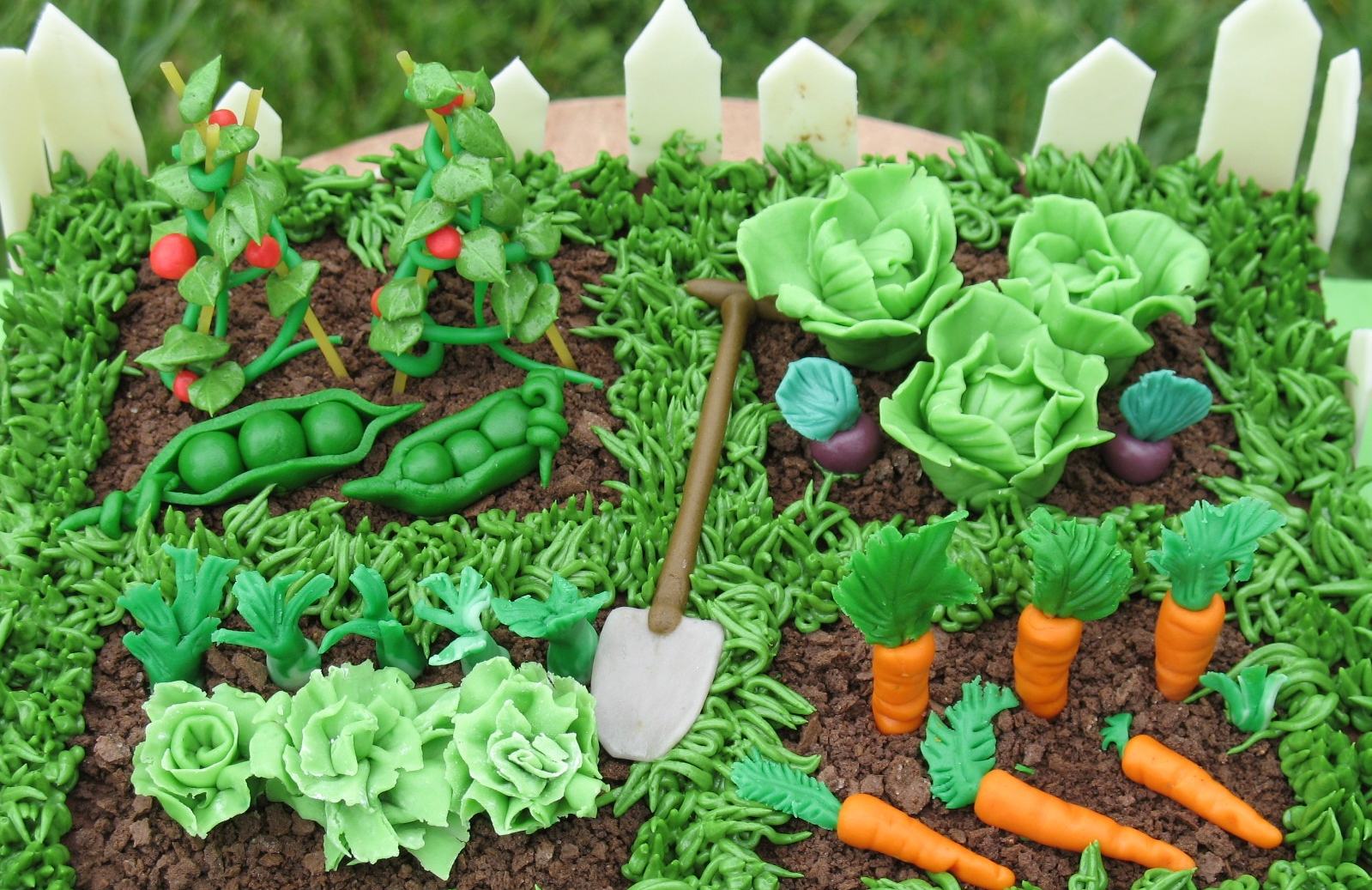
A kitchen garden is one of the most rewarding additions you can make to your home. Not only does it give you access to fresh, organic produce right at your doorstep, but it also provides a sense of accomplishment and a healthier lifestyle. Many people think gardening is complicated, but the truth is that anyone can grow vegetables with just a little space, sunlight, and care. Choosing the right vegetables makes the process much easier, especially for beginners who want fast results without too much effort. In this guide, we will explore the best vegetables you can grow in your kitchen garden, along with tips to keep them thriving.
Tomatoes
Tomatoes are one of the most popular vegetables to grow in any kitchen garden. They are versatile, delicious, and relatively easy to maintain once established. Tomatoes thrive in sunny spots and require well-drained soil to produce juicy fruits. With consistent watering and occasional support for the vines, you can enjoy a steady harvest throughout the season. Freshly picked tomatoes taste far superior to store-bought ones, making them an excellent choice for home gardeners.
Lettuce
Lettuce is another fantastic option for a kitchen garden because it grows quickly and does not demand much care. You can harvest lettuce leaves in as little as a few weeks after planting, and the best part is that you can pick the outer leaves as needed while the plant continues to grow. This means you have a continuous supply of fresh greens for salads and sandwiches without having to wait for months. Lettuce thrives in cooler temperatures and partial sunlight, making it suitable even for smaller gardens.
Spinach
Spinach is a nutrient-rich vegetable that grows well in small kitchen gardens. It is packed with iron, vitamins, and antioxidants, making it a healthy addition to your meals. Spinach is a fast-growing leafy vegetable that prefers cooler weather and partial shade. It does not require heavy maintenance, and like lettuce, you can harvest the leaves gradually for an ongoing supply. With minimal effort, you can enjoy fresh, chemical-free spinach from your backyard.
Carrots
Carrots are an excellent choice if you want a root vegetable that is both tasty and nutritious. They are relatively simple to grow as long as you provide loose, well-drained soil where the roots can expand easily. Carrots prefer full sun but can tolerate partial shade. Since they grow underground, they are protected from many pests, making them a low-maintenance crop. Harvesting carrots is a satisfying experience, and the sweet, crisp flavor of homegrown carrots is unmatched by anything you buy in a store.
Cucumbers
Cucumbers are a refreshing vegetable that thrives in warm weather and can produce a generous harvest with little effort. They grow well in soil that retains moisture, and once established, the vines grow quickly. With adequate support, such as a trellis, cucumbers take up less space while still producing plenty of fruits. They are perfect for salads, pickles, and cooling summer drinks, making them one of the most rewarding vegetables for a kitchen garden.
Beans
Beans are among the easiest vegetables to grow and are especially suitable for small gardens. They require minimal care and enrich the soil with nitrogen, which benefits other plants. Beans can grow vertically with the help of stakes or trellises, saving space while producing a high yield. They grow quickly, and harvesting is simple. Whether you choose green beans, bush beans, or pole beans, they are a practical addition to your kitchen garden.
Peppers
Peppers, whether sweet or spicy, are a colorful and flavorful addition to any garden. They thrive in warm weather and require plenty of sunlight to grow well. Once established, pepper plants are relatively hardy and can continue producing fruits for a long time. They add variety to your meals and are perfect for cooking, grilling, or eating raw. Growing peppers at home also allows you to experiment with different varieties that may not always be available in local stores.
Radishes
Radishes are perfect for beginners because they are incredibly easy to grow and mature quickly. In just a few weeks, you can harvest crisp, peppery radishes from your garden. They require very little space and can grow in small pots or garden beds. Radishes also make a great companion crop, as they help loosen the soil for other plants. Their quick turnaround makes them a satisfying vegetable for anyone starting a kitchen garden.
Onions
Onions are a staple in most households, and growing them at home is surprisingly simple. They do not require constant attention and can grow well in both garden beds and containers. Onions prefer full sun and well-drained soil. Once planted, they take their time to mature, but the reward is worth it. Having fresh onions on hand not only enhances your cooking but also saves frequent trips to the market.
Herbs as Companions
While not technically vegetables, herbs like basil, mint, and coriander are excellent companions for your kitchen garden. They grow easily in small spaces and add fresh flavors to your dishes. Growing herbs alongside your vegetables makes your garden more productive while also repelling pests naturally. The convenience of plucking fresh herbs directly from your garden adds to the joy of home gardening.
FAQs About Growing Vegetables in a Kitchen Garden
What vegetables grow the fastest in a kitchen garden?
Lettuce, radishes, and spinach are among the fastest-growing vegetables and can be harvested within a few weeks.
Do I need a large space to start a kitchen garden?
Not at all. Many vegetables like lettuce, herbs, and radishes can be grown in pots or small containers, making them ideal for balconies or limited spaces.
How much sunlight do vegetables need?
Most vegetables thrive in at least six hours of direct sunlight daily, although leafy greens can tolerate partial shade.
Can I grow vegetables indoors?
Yes, vegetables like lettuce, herbs, and spinach can be grown indoors with adequate light, either from windows or grow lights.
How do I keep pests away naturally?
Planting companion herbs, using neem oil sprays, and maintaining healthy soil are natural ways to reduce pests in your garden.
Conclusion
Growing vegetables in your kitchen garden is a simple yet rewarding way to enjoy fresh, organic food at home. By choosing easy-to-grow options such as tomatoes, lettuce, spinach, carrots, cucumbers, beans, peppers, radishes, and onions, you can create a thriving garden that provides healthy produce with minimal effort. Adding herbs as companions not only enhances your meals but also makes gardening more enjoyable. With a little care, sunlight, and patience, your kitchen garden can become a reliable source of freshness, flavor, and satisfaction throughout the year.